Understanding the Best Practices for Tree Pruning and Trimming Jul 11, 2026
To begin, it's important to understand why pruning and trimming are necessary. These practices help remove dead or diseased branches, improve air circulation, and promote new, healthy growth. This not only enhances the aesthetic appeal of your property but also ensures the safety of your home by reducing the risk of falling branches.
Timing is crucial in tree pruning and trimming. The best time is usually during the dormant season or late winter before the spring growth flush. This timing helps minimize stress on the trees, reduce sap loss, and lower the risk of pest infestation or disease. However, for flowering trees, pruning just after their blooms fade is often ideal to ensure that next season's buds remain intact.
When it comes to actually cutting the branches, the right technique is essential. Improper cuts can harm a tree's health and structure. Start by removing the 3 D’s: dead, damaged, and diseased branches. Next, focus on branches that are rubbing or crossing. Always make clean cuts, and avoid tearing the bark. Aim to maintain a natural shape while ensuring sufficient clearance from structures like power lines or your home.
Using the right tools can make all the difference. Pruning shears, loppers, and hand saws are common tools that are sufficient for most pruning tasks. Make sure your tools are sharp and well-maintained to ensure clean cuts and to prevent the transmission of disease. For larger jobs, or if you’re unsure of how to proceed, it may be best to consult with professional arborist tree services, like those offered by All Tree Property Services.
For homeowners eager to get hands-on, it’s important to prioritize safety. Wear protective gear such as gloves, helmets, or eye protection. Be careful when using ladders, especially near power lines. If a branch seems too heavy or precariously placed, it’s wiser to call in professional help rather than risking injury.
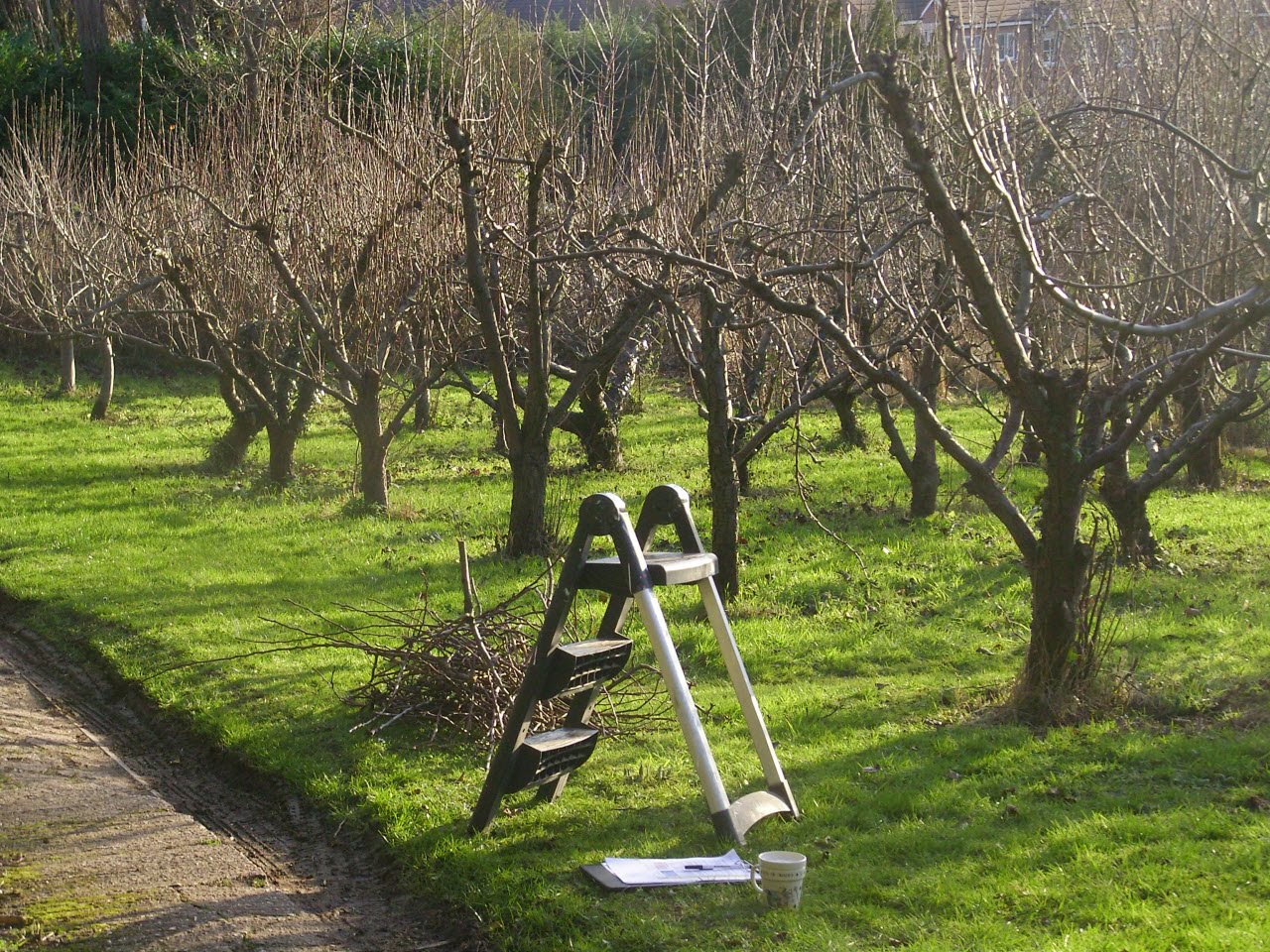
An often-overlooked aspect of tree trimming and pruning is understanding the unique needs of the different species in your landscape. Each tree species has specific requirements and timing that will maximize health and growth. For instance, fruit trees may require more frequent pruning to enhance fruit production, whereas ornamental trees might need pruning mainly for shape and size control.
In conclusion, tree pruning and trimming are essential tasks that ensure the health, safety, and aesthetics of your trees. By following these best practices and understanding the specific needs of your trees, you can enjoy a beautiful and safe outdoor environment. However, if you're ever unsure about how to proceed, or if the task seems beyond your capability, rely on the experts at All Tree Property Services. Our professional team is equipped to handle all your arborist tree services, ensuring your landscape remains stunning and healthy.
/filters:no_upscale()/filters:format(webp)/media/b8b2d5c3-b688-46c5-bdec-32acbdda7cdd.jpeg)